
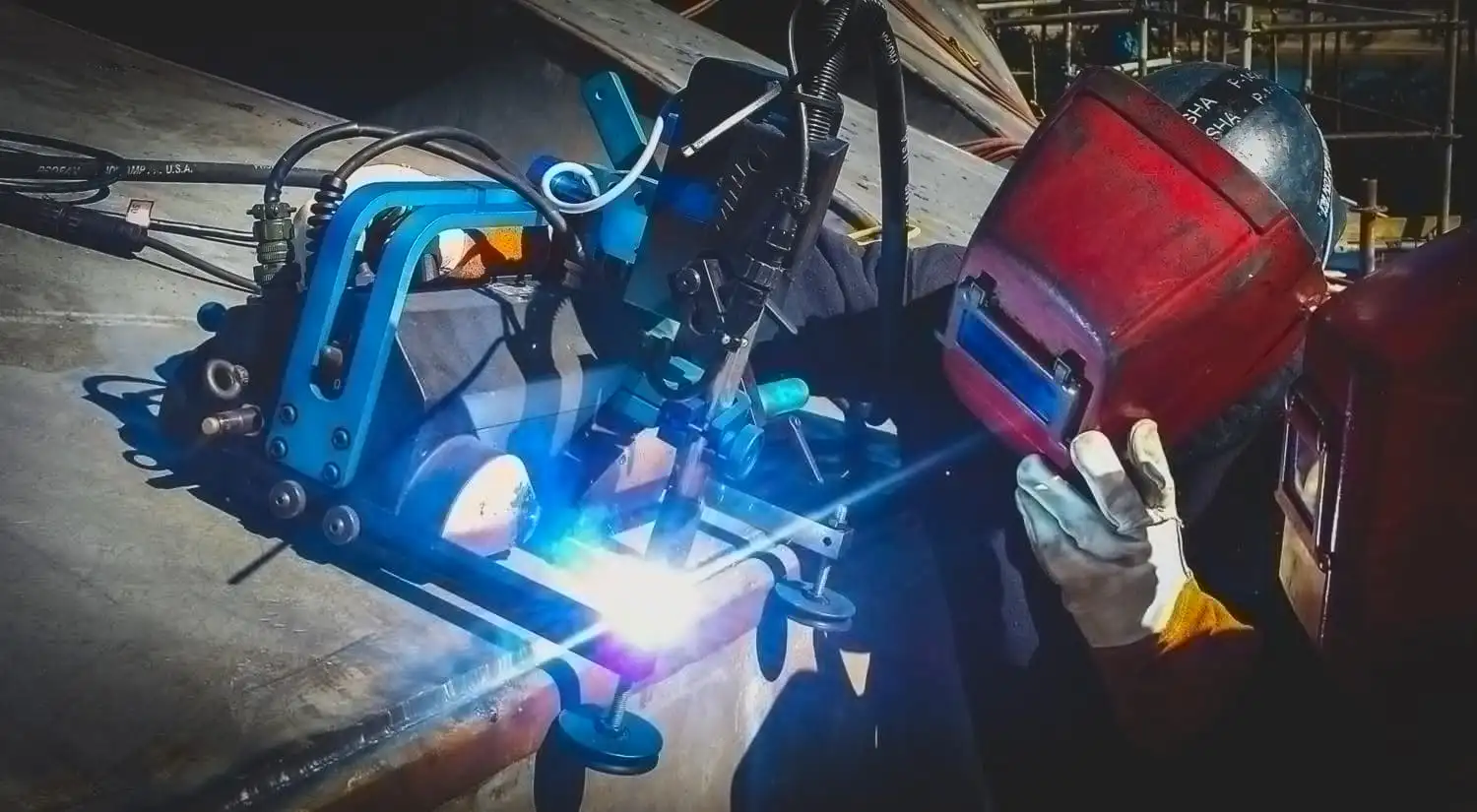

Raw steel doesn’t arrive on a jobsite ready to bolt into place. It gets there because someone cut it, shaped it, drilled it, beveled it, and welded it into something that actually fits. That process has a name.
Steel fabrication is the work that turns mill-finished steel into parts and structures built to perform a specific job. This guide breaks down how it works, what equipment is involved, and what separates a tight fabrication operation from one drowning in rework.
What Is Steel Fabrication?
Steel fabrication and steelmaking are not the same thing. Not even close. Steelmaking happens at mills and foundries, where iron ore or scrap gets processed into raw steel products. That’s upstream work. Fabrication picks up after the steel exists. It’s the cutting, drilling, forming, welding, and finishing that turns raw stock into something functional.
Fabricated Steel Definition
Fabricated steel is steel that’s been worked beyond its original mill form. A plate cut and beveled for a structural weld joint qualifies. So does a custom pipe assembly for a pressure system, a steel frame going into a warehouse, or a bracket machined to a tight tolerance.
Fabrication vs. Steelmaking
Steelmaking produces the material. Fabrication produces the part. That’s the whole distinction. Machining and metalworking overlap with fabrication in certain contexts, but fabrication generally refers to the complete build sequence, from raw stock through cutting, joining, and finishing, rather than a single isolated operation.
How the Steel Fabrication Process Works
Regardless of industry or part complexity, most fabrication jobs run through the same sequence. What changes is the scale, the tolerances, and the standards being applied.
Design and Planning
Nothing gets cut until the drawings are right. Fabricators review dimensions, material grades, tolerances, and the applicable standards before touching any steel. AWS D1.1 governs structural welding.
ASME covers pressure vessel fabrication. Getting this stage right costs time upfront. Getting it wrong costs significantly more time later, usually during fit-up or final inspection when problems are hardest to fix.
Material Preparation
Steel shows up as plate, pipe, beam, bar, or structural section depending on the job. From there it gets marked out, straightened, and cleaned before any cutting begins. This step gets skipped mentally by a lot of people. It shouldn’t be. Contaminated surfaces compromise weld adhesion.
Warped or out-of-spec stock throws dimensions off across the entire part. Prep isn’t where the exciting work happens, but it’s where the quality foundation either gets laid or gets ignored.
Cutting and Forming
Plasma cutting, oxyfuel cutting, sawing, and laser cutting bring steel to shape by removing material. Bending, rolling, and press braking reshape it without cutting. The method chosen depends on thickness, production volume, and how clean the resulting edge needs to be.
A field crew doing one-off plate cuts has different needs than a shop running high-volume structural profiles all day. Both need the right tool for what they’re actually doing.
Welding and Assembly
Parts get fitted together and joined. Simple in theory. Significantly harder in practice. Fit-up quality, specifically how precisely parts align before the arc starts, is one of the largest variables in final weld integrity.
Gaps and misalignment introduced at fit-up don’t disappear during welding. They get locked in. Correcting them afterward costs time, material, and in some cases, the part itself.
Finishing and Inspection
Grinding, blasting, and coating protect the finished part and prepare surfaces for the service environment. Dimensional and visual inspection, plus non-destructive testing where it’s required, confirms the part meets spec.
Common Steel Fabrication Methods and Equipment

A handful of equipment categories cover the bulk of what happens on a fabrication floor or in the field. Understanding what each one does, and why it matters, helps clarify how the overall process fits together.
Cutting Tools
Portable metal cutting saws work across structural sections and plate at the bench or onsite. Plasma and oxyfuel systems handle larger profile cuts. Edge quality from the cut affects everything downstream. A clean, square edge reduces fit-up time and skips the secondary cleanup step. A rough one costs time twice.
Drilling and Punching
Magnetic drills mount directly to the workpiece. That eliminates the material handling involved in moving steel to a stationary drill press, which matters on heavy plate or in-position structural work. Hydraulic punches produce clean holes in sheet and light plate without chips or burrs.
Beveling and Fit-Up
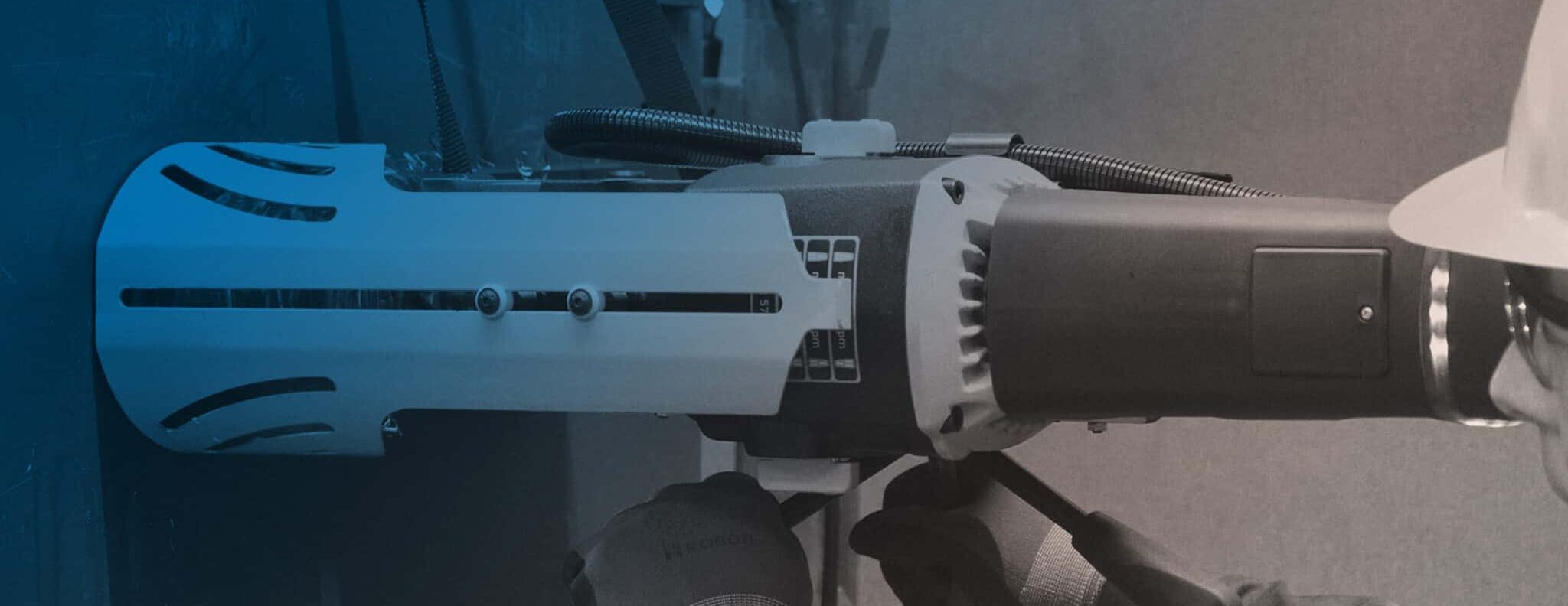
Edge prep is one of the most labor-intensive manual operations in fabrication. A beveling machine cuts a controlled angle along the plate or pipe edge, creating the joint geometry required for full-penetration welds. It’s faster than grinding, more consistent, and it doesn’t introduce heat or distortion into the part.
On plate runs, a plate beveling machine holds the same bevel angle across the full length without operator variation creeping in as fatigue sets in. On pipe and vessel work, a pipe beveling machine handles curved geometry that flat bevelers can’t touch.
Welding Automation
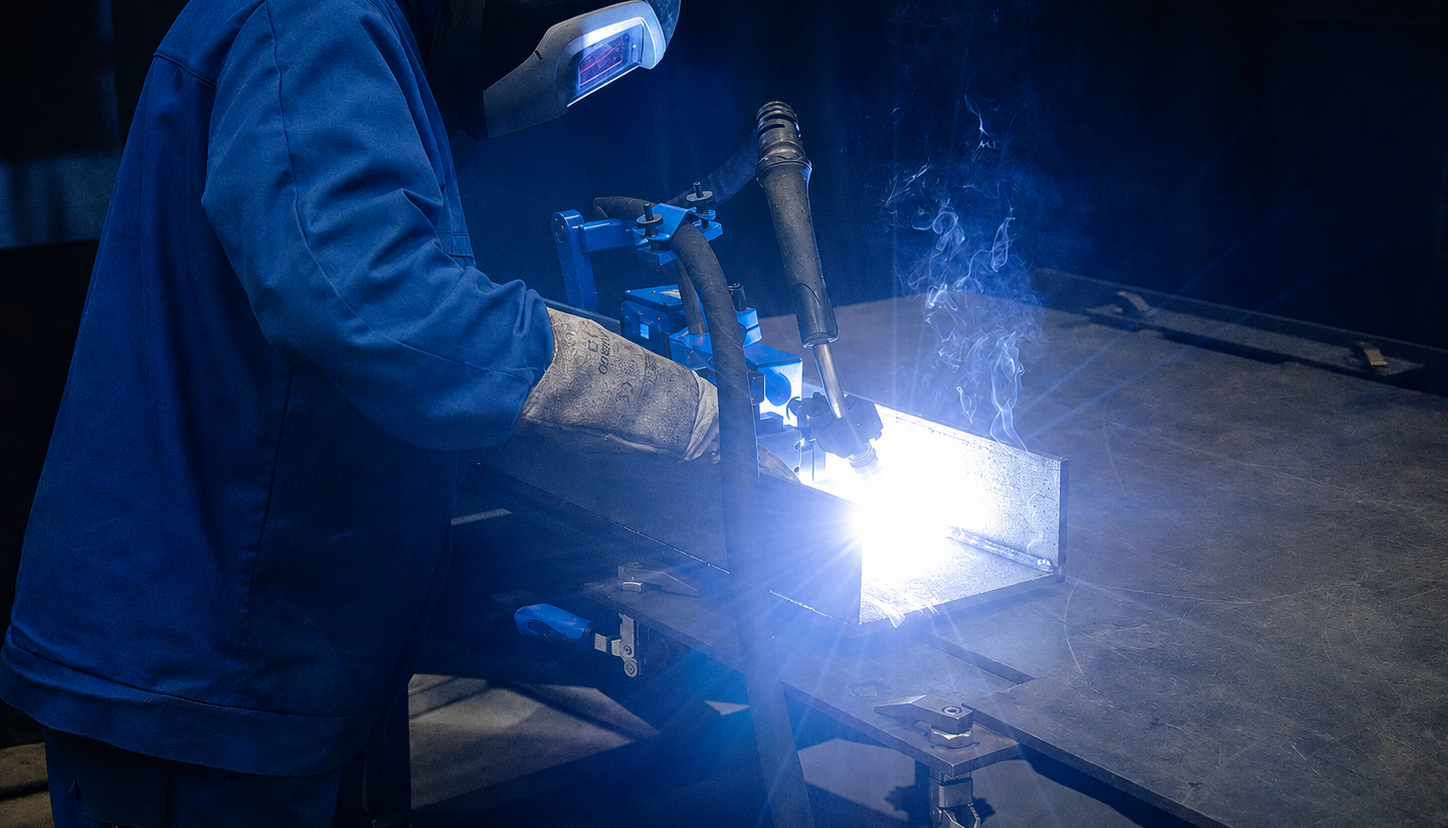
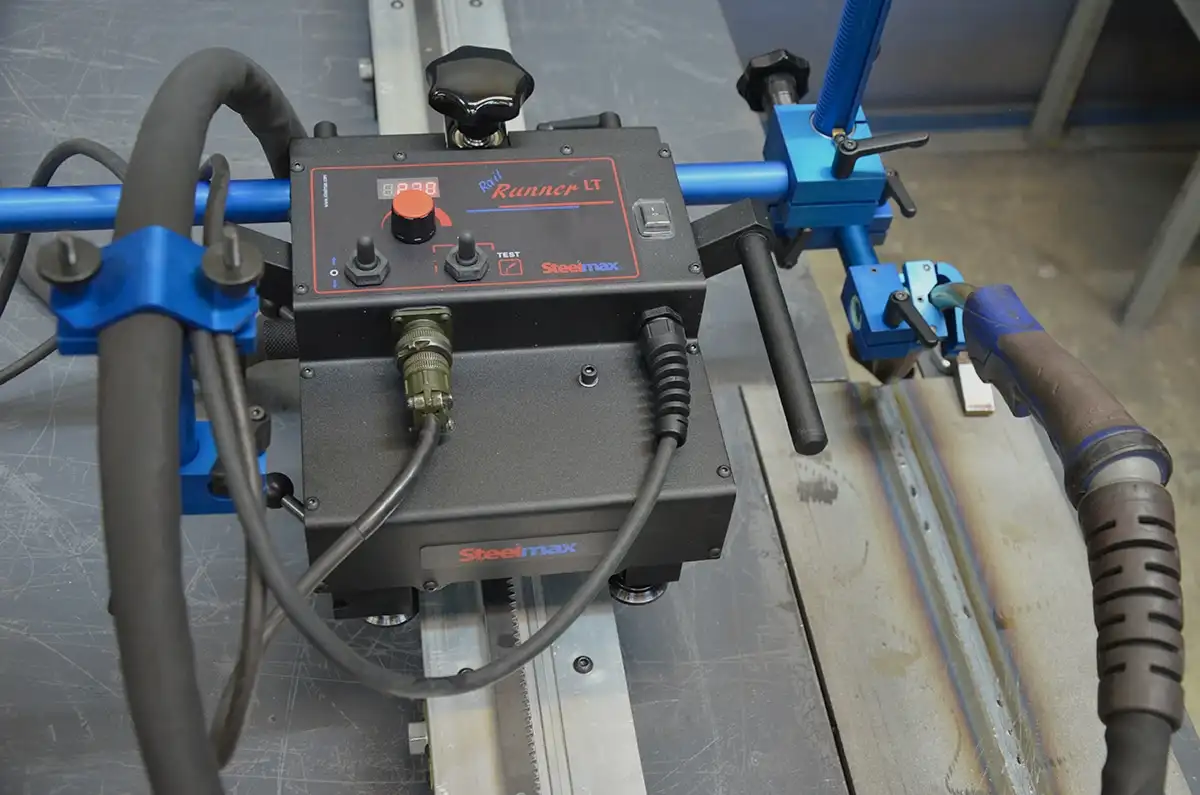
Welding automation covers carriages, oscillators, and positioners that take repetitive joint work out of the manual column. Arc-on time goes up. Operator fatigue goes down. Bead consistency holds across a full shift rather than degrading as the day goes on.
Surface Finishing
Coating and blasting protect finished steel against corrosion and prepare the surface for paint or primer systems.
Surface profile and cleanliness requirements are typically set by SSPC or NACE specifications depending on the coating system and the environment the part is going into. In most industrial applications, meeting those specs isn’t a preference. It’s a contract requirement.
Why Steel Fabrication Matters in Industrial Projects
Inaccurate fabrication creates problems that compound fast. Parts that don’t fit get shimmed, ground down, or reworked on-site.
That adds cost, burns schedule, and depending on the application, can compromise structural performance. Shops that produce consistent, accurate parts at volume don’t just do better work. They win more contracts, hit more deadlines, and generate less waste per job.
Steelmax builds equipment specifically for that kind of output, across cutting, beveling, drilling, and welding, where repeatability isn’t a feature; it’s the point.
Steel Fabrication Mistakes to Avoid
Skipping material prep. Picking a cutting method that leaves a rough edge requiring secondary work. Poor fit-up going into welding. Shipping parts without a final dimensional check.
None of these are complicated mistakes. They’re the most common ones. And every single one is preventable with a more disciplined approach from the start of the job rather than a more expensive fix at the end.
Steel fabrication is how industrial projects get built. Not in a vague sense, but literally. Every beam, vessel, frame, and pipe assembly starts with someone doing this work. Understanding the process, and having the right equipment at each stage, is what keeps jobs on schedule, parts on spec, and rework off the floor.
Steel Fabrication FAQ
Here are some questions answered about steel fabrication.
What is fabricated steel used for?
Fabricated steel shows up in construction, oil and gas, power generation, shipbuilding, heavy manufacturing, and infrastructure. Bridges, pressure vessels, structural frames, pipe assemblies, and equipment platforms are examples of fabricated steel products, especially when they carry a load or withstand pressure.
What is the difference between steel fabrication and welding?
Welding is one operation inside a larger fabrication sequence. Fabrication covers material prep, cutting, forming, fit-up, welding, finishing, and inspection. Welding joins parts together. Fabrication builds the entire component from raw stock to finished product.
What equipment is used in steel fabrication?
The core equipment includes cutting saws, plasma cutters, magnetic drills, hydraulic punches, beveling machines, welding systems, positioners, and finishing tools.


Leave A Comment
You must be logged in to post a comment.