
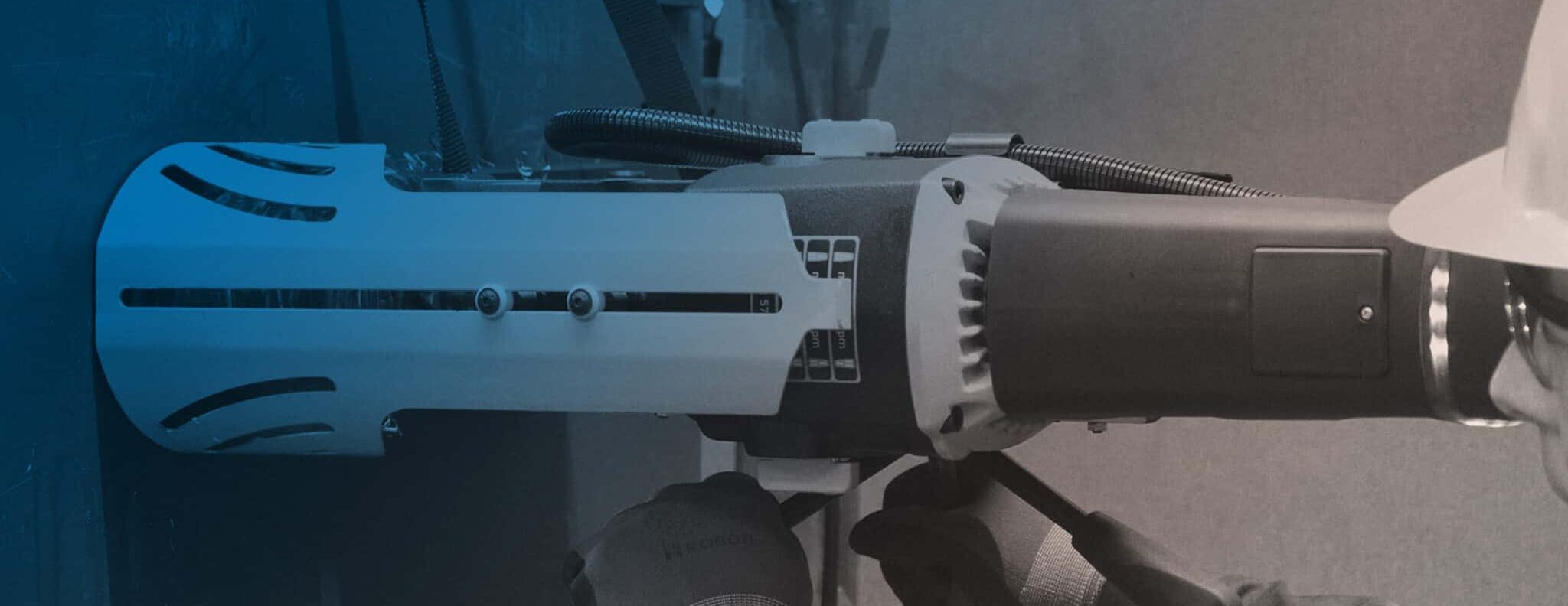
Metal fabrication demands precision, consistency, and the right tools. One of the most reliable ways to get clean, accurate holes and threads is by using a magnetic drill. When paired with the right setup, a Steelmax magnetic drill can handle both drilling and tapping with impressive speed and stability.
Why Use a Magnetic Drill for Tapping?
A magnetic drill (or “mag drill”) essentially a portable drilling system, offers a level of stability that hand-held tools simply can’t match. By locking the machine to the workpiece via a powerful integrated electromagnet, you eliminate movement. That magnetic bond provides exceptional stability and ensures that every hole is perfectly aligned, which is critical when you move to the tapping stage. You drill clean, accurate holes without constant repositioning or struggling with unwieldy materials. It’s one of the biggest advantages of using a mag drill on heavy, oversized, or immovable workpieces
Prep Work: Your Key to Safe, Accurate Setup
Before you pull the trigger, a few simple steps will set you up for success.
Start with the magnetic base. It should be spotless and functioning at full strength. Any debris, rust, or metal shavings can reduce magnetic adhesion and compromise accuracy—so a few seconds of cleaning goes a long way.
Next comes personal safety. Safety glasses, gloves, and hearing protection are non-negotiable. Just as important is keeping your workspace clean so you can move freely and ensure nothing interferes with the drill’s placement.
And finally, prepare the metal surface itself. Make sure it’s free of rust, paint, or scale so the magnet can grip as strongly as possible. A clean surface ensures better accuracy and prevents unwanted shifting during operation.
Drilling with Confidence and Control
With everything prepped, you can position your magnetic drill exactly where you want your hole. Line up the drill bit carefully (using a pilot pin if using an annular cutter) with your mark this alignment step is crucial for accuracy and avoiding material waste ,then activate the magnet so the drill locks firmly in place.
Choosing the right drill bit is equally important. For most standard metal fabrication tasks, high speed steel (HSS) or cobalt bits offer durability and heat resistance. When working with smaller diameter holes or blind holes, traditional twist drill bits are often the best choice, provided your drill is equipped with a 3-jaw chuck or a compatible Morse Taper such as MT2, MT3, or MT4.
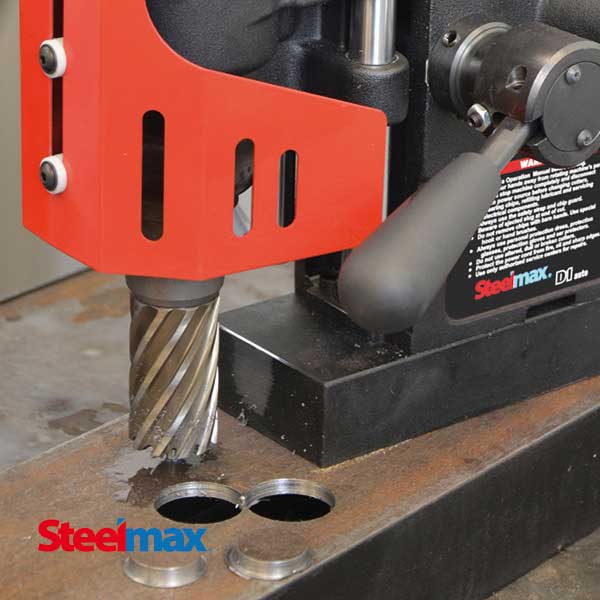
For larger holes, anything over 7/16″, annular cutters are the go?to. They cut significantly faster than solid twist drills because they remove only a thin ring of material, leaving behind a clean slug. Steelmax also offers annular cutters sized to match common tap diameters, making them ideal when drilling holes intended for threading.
Match your cutter to your material as well. HSS annular cutters perform well in mild steel and general jobs. When you’re dealing with stainless steel, hardened steel, or abrasive alloys, TCT (tungsten carbide tipped) cutters offer superior durability and cutting performance.
Once you’re ready to drill, start at a slow, controlled speed to establish your cut. As the bit begins to bite into the material, you can gradually increase speed. Maintain steady, moderate pressure, too much force can shorten tool life and affect accuracy. Always use a quality cutting fluid to reduce friction, manage heat, and extend the life of your bits. Keep an eye out for signs of overheating or wear so you can adjust speed or lubrication as needed.
Tapping Threads with Precision
After your pilot hole is complete, tapping with a magnetic drill is a highly efficient way to produce clean, accurate threads.
Begin by selecting the correct tap size and style—whether you need a taper, plug, or bottoming tap depending on your thread depth. The most professional and secure method for tapping with a mag drill is to use a dedicated tapping chuck and collet system. Steelmax’s screw?on tapping attachments provide a much more secure connection than a standard Morse Taper alone, significantly reducing the chance of tap disengagement or breakage.
Before tapping, apply tapping fluid liberally to the hole. This step helps with chip evacuation, reduces friction, and protects the tap from unnecessary stress.Insert your tap into the proper collet, noting that each tap size requires its own collet due to the differences in square drive dimensions. Operate the drill at its lowest possible speed for maximum control. Ideally, you’ll use a magnetic drill with variable speed and a reverse function. For deeper holes, periodically reverse the tap to clear accumulated chips and reduce the risk of binding.
Once tapping is complete, clean the threads thoroughly and inspect them to ensure they meet your specifications.
Finishing the Job: Post Operation Best Practices
When you’re done drilling and tapping, disengage the magnetic base and carefully separate the drill from the workpiece. Give your finished holes and threads a close inspection to verify accuracy and cleanliness.
As a final step, commit to regular maintenance. Clean the drill body, wipe down the magnetic base, and check your cutters and taps for wear. A bit of preventative care keeps your Steelmax magnetic drill running at peak performance and extends the life of your tooling.
A Steelmax magnetic drill is much more than a specialty tool it’s a workflow optimizer. With the right preparation, cutting tools, and tapping attachments, you can transform demanding drilling and threading tasks into smooth, predictable, high quality operations. Whether you’re drilling large diameter holes with annular cutters or creating precise threads with a tapping chuck, the combination of stability, accuracy, and efficiency is hard to beat.


 EN
EN  ES
ES 

Leave A Comment
You must be logged in to post a comment.